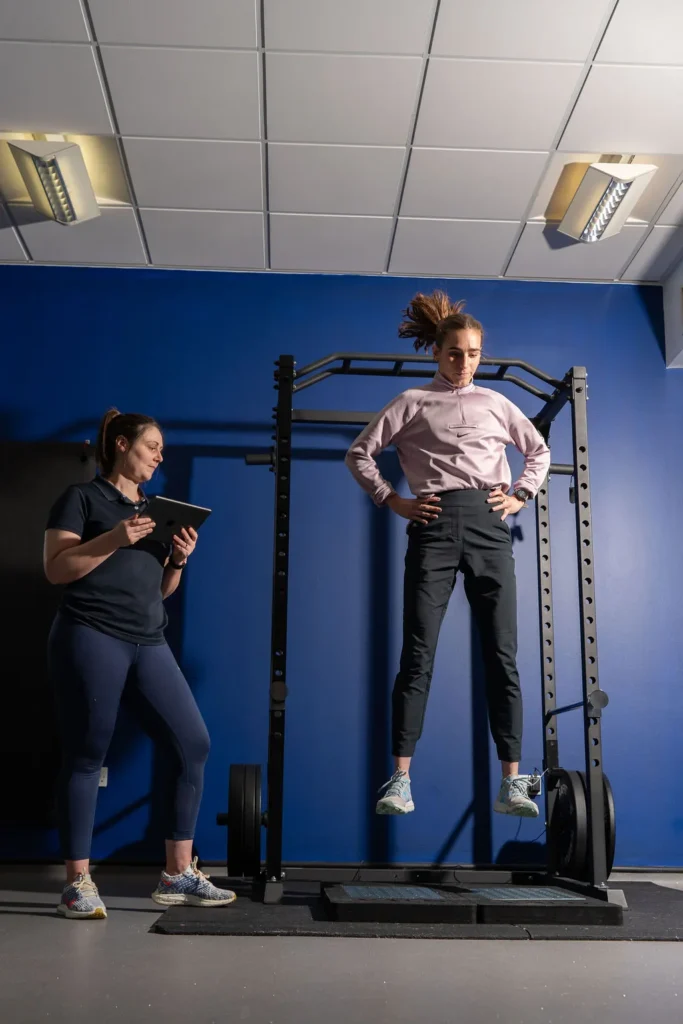
Whether you’re a professional athlete, a dedicated fitness enthusiast, or spend hours working at a desk, a sports massage is the perfect way to enhance your post-workout recovery and keep your body in top shape. This specialised massage therapy focuses on the muscles and soft tissue that endure the most stress during physical activity, helping you recover faster and perform better.
Whether you’re training for your next sporting event, spending long hours at a desk or dealing with persistent muscle tightness, sports massage therapy can help you look after your body.
At SPEAR Physiotherapy, our sports massage therapy focuses on the muscles and soft tissues that work hard during exercise and everyday activities.
Using a range of massage techniques, treatment can help address muscle tension, reduce feelings of stiffness, improve circulation and blood flow, and support muscle recovery by enhancing blood movement to working tissues.
You don’t have to be a professional athlete to benefit from sports massage. Whether you’re a regular gym-goer, recreational runner or simply looking to feel more comfortable in your everyday movements, our team can help you find an approach that suits your needs.
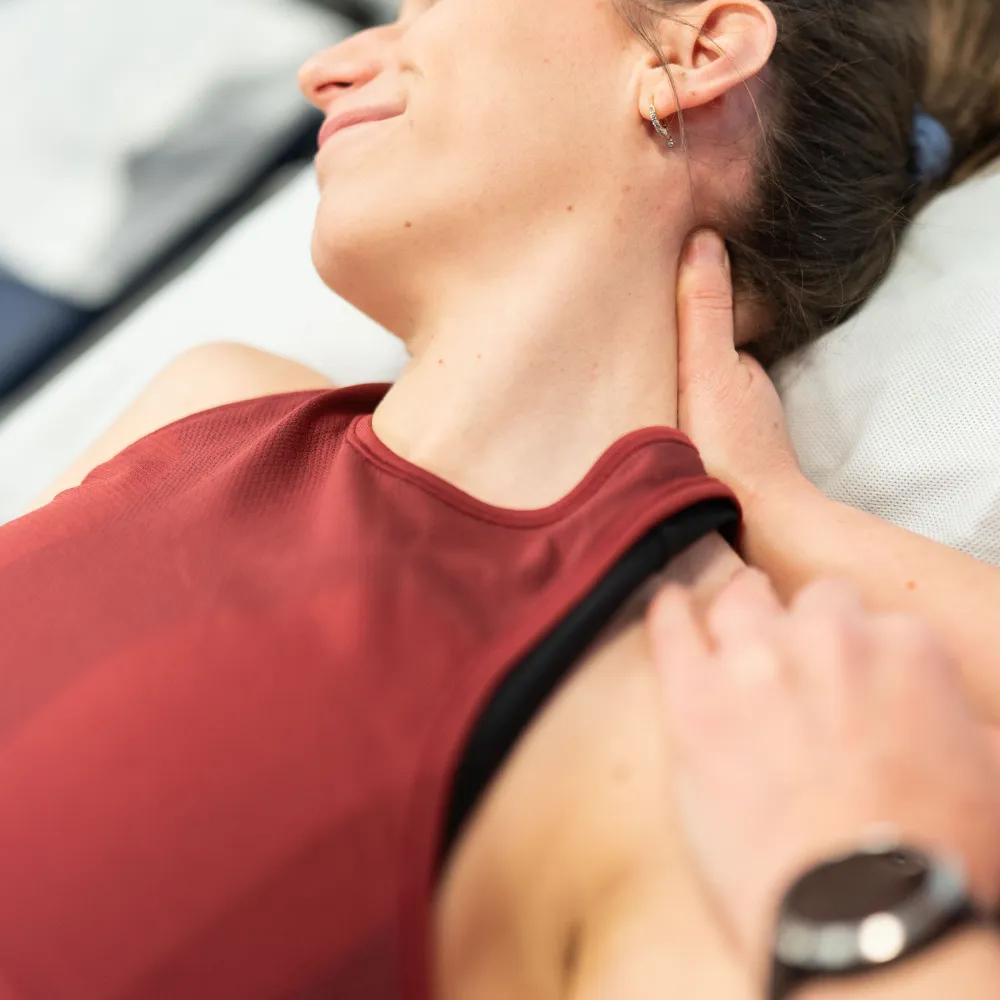
Sports massage is designed to work with the muscles and soft tissues, helping address areas of tension and discomfort. It can be particularly useful for individuals who regularly exercise, participate in sport or experience muscular tightness through their daily routines.
Sports massage may help with:
Muscle tightness: Addressing areas of tension that can develop following exercise or prolonged periods of activity.
Post-exercise soreness: Helping manage feelings of muscular soreness following demanding workouts or sporting activities.
Reduced flexibility: Supporting comfortable movement through targeted soft tissue techniques.
Muscle fatigue: Providing an opportunity to relax and support recovery following physical exertion.
Everyday muscle tension: Addressing tightness associated with prolonged sitting, repetitive movements or physically demanding work.
Training recovery: Complementing your exercise routine by helping you manage muscular discomfort between training sessions.
The techniques used will depend on the areas being treated, your symptoms and your individual preferences.
Deep tissue massage is a form of sports massage treatment that uses slower, more focused pressure to target deeper layers of muscle and surrounding soft tissue. Techniques may include effleurage, kneading, and trigger pointing, depending on the area being treated.
It can be useful for addressing areas of persistent tightness and muscular discomfort, particularly following repetitive or demanding physical activity.
Soft tissue massage focuses on muscles and surrounding connective tissues using a variety of hands-on techniques, including compression, friction, myofascial release, active stretching, trigger point therapy, and skilled manipulation of soft tissue.
Treatment can be adapted to address specific areas of tension and support comfortable movement.
Sometimes particular muscle groups experience increased tension due to exercise, repetitive movements or physical demands.
Targeted massage techniques allow attention to be focused on problem areas, helping address localised tightness and discomfort in tight muscles. This can help release tension, improve range of motion and overall motion, and support injury prevention by increasing tissue elasticity.
Some athletes choose to have sports massage before an event as part of their preparation.
The approach is adapted to the timing and the demands of the sporting event, using lighter techniques to energize the body and keep the athlete alert rather than too relaxed instead of intensive deep tissue work immediately before competition. This may aid recovery, help enhance performance, and support the athlete’s mental state before exercise.
Following demanding exercise or competition, massage may be used to help manage feelings of muscular tension, and many people seek it to ease delayed onset muscle soreness after hard efforts.
Treatment should be appropriate to the individual’s condition and recovery stage, as post-event care may help the body recover and aid recovery for some people.
Looking after your body is an important part of maintaining an active lifestyle.
While training helps develop strength, endurance and performance, recovery allows your body time to adapt to the demands being placed upon it.
Sports massage can be one part of a wider recovery routine, alongside appropriate rest, nutrition, hydration and a well-managed training programme.
Some people choose to incorporate regular massage into their routine as part of a wider course of treatment or ongoing maintenance, particularly during heavier training blocks or preparation for an event.
The frequency of treatment will depend on your activity levels, individual requirements and preferences.
Massage should complement good training and recovery habits rather than replace them.
If you’ve never had a sports massage before, you may be wondering what to expect.
At SPEAR, this service should be tailored to your needs, with the areas being treated and techniques used depending on your individual requirements. Your appointment will generally involve:
Discussing Your Requirements: Your therapist will discuss your reasons for booking, any areas of muscular tension, and what you would like to achieve from treatment, so clients can be treated appropriately.
Identifying Areas of Tension: You’ll have the opportunity to explain where you’re experiencing tightness or discomfort, and your therapist can use your feedback to focus on problem areas.
Your Massage Treatment: Treatment will involve appropriate massage techniques based on your needs and preferences, with massage therapists adjusting pressure and techniques throughout the appointment to keep it comfortable.
Aftercare Advice: Following your treatment, you may receive advice about looking after the treated areas, managing exercise and maintaining your general physical wellbeing.
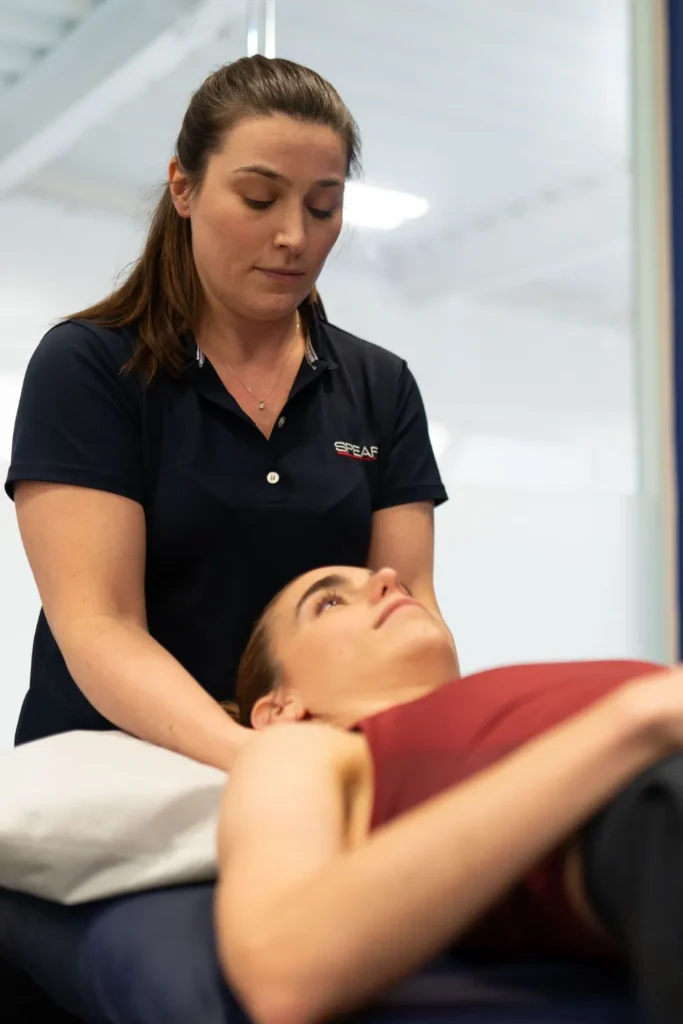
Although sports massage and sports physiotherapy can complement one another, they serve different purposes.
Sports massage focuses primarily on muscles and soft tissues, using hands-on techniques to address muscular tension and support relaxation.
Sports physiotherapy takes a broader approach to assessing and treating injuries, looking at movement, strength, joint function and the factors contributing to physical problems.
Massage may provide short term relief for muscle tightness, but if you’re experiencing a specific injury, persistent pain or restricted movement, a physiotherapy assessment may be more appropriate than massage alone.
At SPEAR, we offer both services, allowing you to explore the most suitable option for your individual needs. Rehabilitative Sports Massage can also be used alongside physiotherapy to treat injuries and the surrounding affected areas during the recovery process.
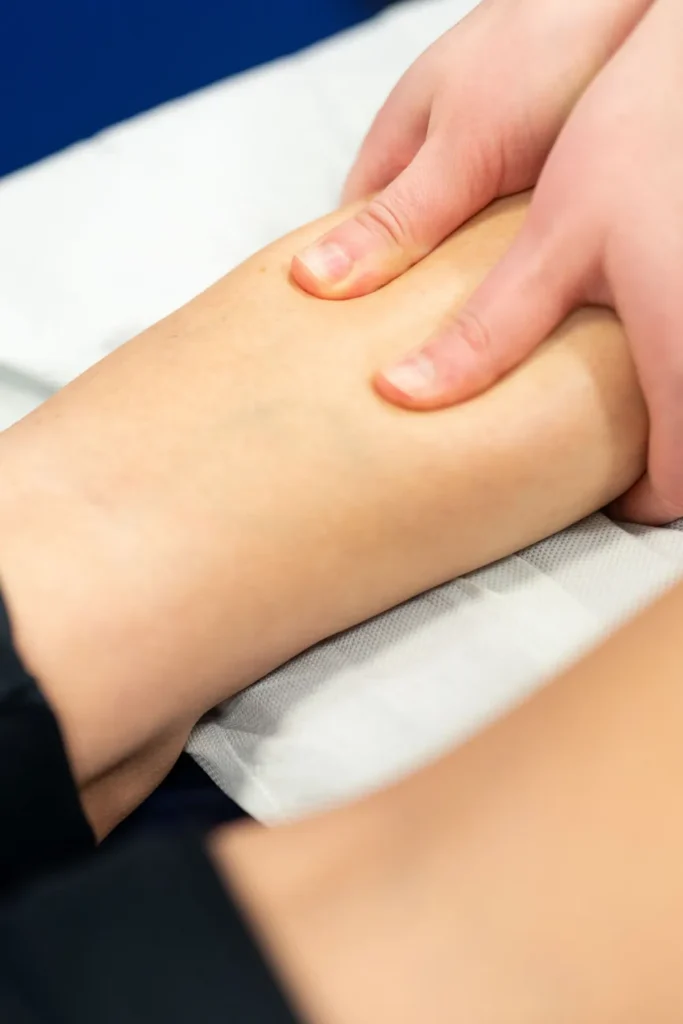
Sports massage can involve firm pressure, particularly when treating areas of muscular tension, so if you’re wondering does a sports massage hurt, some discomfort can be normal, especially around tight muscles. You may also feel sore for a day or two afterwards, similar to how muscles can feel after a workout. Your therapist can adjust the pressure throughout your appointment to suit your comfort level.
This depends on your activity levels, personal preferences and treatment goals. Some people book occasional appointments when experiencing muscle tightness, while others incorporate massage into their regular training and recovery routine.
Absolutely. Sports massage isn’t exclusively for athletes. It can be suitable for people experiencing muscular tension associated with everyday activities, desk-based work, exercise or physically demanding jobs.
Sports massage can target muscles around the back and shoulders that may feel tight or uncomfortable. However, persistent or unexplained pain should be assessed by a physiotherapist to establish the underlying cause.
This depends on your goals. Some people choose lighter massage techniques before exercise, while others prefer this form of treatment following training to help manage muscular tension. Intensive massage immediately before demanding exercise may not be appropriate, so the approach should be adapted depending on whether it is used pre- or post-exercise. After treatment, a light form of exercise may be fine, but the most suitable option depends on your training schedule and the demands of your event.
Wear comfortable clothing that is easy to change out of. Your therapist will explain what is required for your treatment and ensure appropriate draping and privacy throughout your appointment.
Massage may help reduce the feeling of post-exercise soreness and improve perceived recovery. It should be combined with appropriate rest and gradual progression of your training.
No, you can contact SPEAR directly to arrange a sports massage appointment. You don’t need a GP referral to enquire about availability.
At our physiotherapy clinics, we specialise in a wide range of conditions, providing personalised rehabilitation programs designed for effective recovery. Our expertise includes:
Whether you’re looking to manage muscle tightness, complement your training routine or simply make time for recovery, sports massage can be a useful addition to your approach to physical wellbeing.
At SPEAR Physiotherapy, we offer a personalised approach to sports massage, focusing on your individual needs and the areas you’d like to address.
You don’t need to be an athlete to benefit. If muscular tension is affecting your comfort or activity levels, we’re here to help.