At SPEAR, whilst we treat all injuries of the body, we specialise in treating sports injuries. This is why our Physiotherapists are known as ‘The Sports People’.
We are dedicated to being an integral part of your sports injury recovery journey, guiding you every step of the way towards rediscovering the joy of your sport. Our approach focuses on not just treating the sports injury, but also on facilitating normal movement patterns and rebuilding your confidence in physical activity.

Sports injuries can happen unexpectedly or develop gradually over time. Whether caused by a sudden movement, repetitive strain, overtraining or changes in training intensity, an injury can affect your ability to perform at your best.
At SPEAR, we work with athletes across a wide range of sports, treating injuries affecting muscles, tendons, ligaments and joints.
Some of the common injuries we help manage include:
Muscle injuries can occur during sprinting, jumping, lifting or sudden changes in direction. Common examples include hamstring strains, calf tears, groin injuries and quadriceps strains.
Ligaments provide stability to your joints and can become damaged through twisting movements, impact or sudden changes in direction. Knee and ankle ligament injuries are particularly common in sports involving jumping and pivoting.
Repetitive loading can contribute to tendon problems, including Achilles tendinopathy, patellar tendinopathy and tennis elbow. Rehabilitation often involves carefully progressed strengthening exercises.
Shoulder, knee, hip and ankle injuries can affect your ability to perform sporting movements. Treatment focuses on addressing the underlying problem and restoring appropriate strength and movement.
Increasing training intensity too quickly or repeatedly placing stress on the same structures can contribute to overuse injuries. These can affect runners, cyclists, swimmers and gym-goers.
Returning to sport isn’t simply about waiting for an injury to heal. Your body needs to be prepared for the specific movements, forces and physical demands involved in your chosen activity.
A footballer returning to the pitch will have different rehabilitation requirements from a marathon runner preparing for their next race.
At SPEAR, we take these differences into consideration when developing your treatment programme.
Your rehabilitation may incorporate:
Progressive strength training to rebuild muscular capacity.
Mobility exercises to improve movement and flexibility.
Balance and stability training to support joint control.
Plyometric exercises to develop jumping and landing capabilities.
Running drills and acceleration work where appropriate.
Sport-specific movements to prepare for training and competition.
As your rehabilitation progresses, exercises can become more challenging to reflect the physical demands you will face when returning to your sport. Our aim is to help you develop the physical capabilities required to participate confidently, rather than simply focusing on reducing your symptoms.
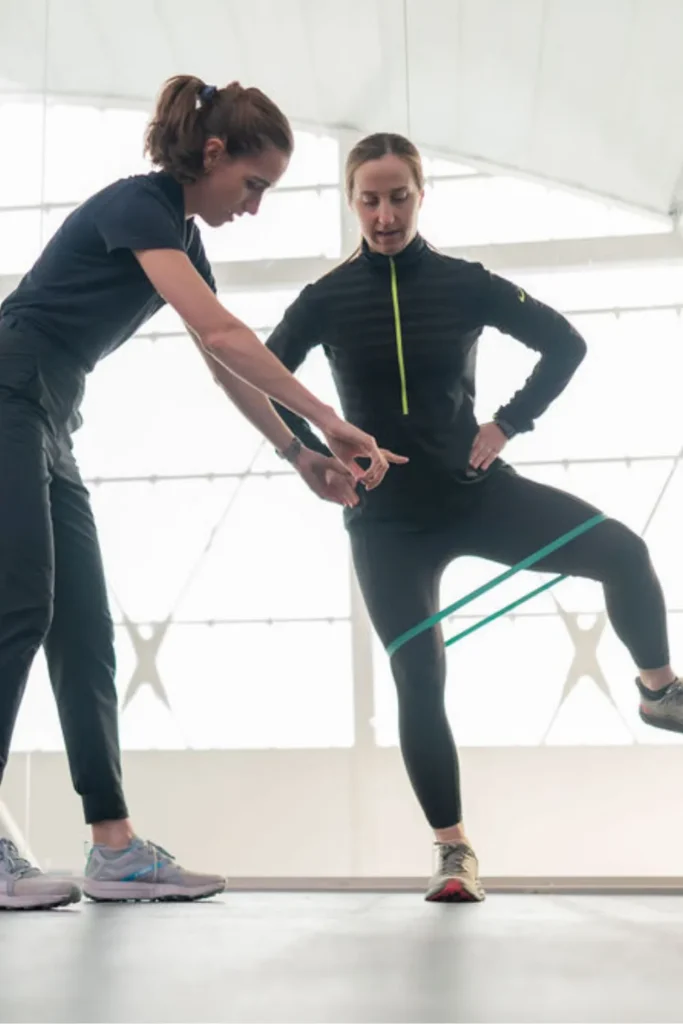
One of the biggest challenges following a sports injury is knowing when to return to full training and competition. Returning too early, before your body is adequately prepared, may increase the risk of aggravating an injury or experiencing another setback.
At SPEAR, we take a considered approach to return-to-sport rehabilitation. Rather than focusing on a specific recovery date, we look at your physical capabilities, symptoms and ability to complete the movements required by your sport.
Depending on your injury, this may involve assessing:
Muscle strength and endurance.
Joint mobility and movement control.
Balance and stability.
Jumping, landing and change-of-direction abilities.
Running speed and acceleration.
Sport-specific physical performance.
We can use objective testing alongside clinical assessment to help guide progression. Returning to sport is an individual process, and our aim is to help you build the confidence and physical capacity needed to get back to doing what you enjoy.
Every sport places different demands on the body. Our physiotherapists have experience supporting individuals across a variety of sporting activities, adapting rehabilitation to the movements and physical requirements involved.
From recreational 5K runners to ultra-marathon competitors, running places repetitive demands on the lower limbs.
We help runners manage injuries such as Achilles tendinopathy, shin pain, runner’s knee and muscle strains. Rehabilitation may involve strength development, running assessments and a gradual return-to-running programme.
Find out more about our Running Injury Physiotherapy.
Football involves sprinting, tackling, jumping and frequent changes of direction. These movements can place considerable demands on the muscles and joints.
We support footballers recovering from hamstring injuries, ankle sprains, knee injuries and other common football-related conditions.
Find out more about our Football Injury Physiotherapy.
Golf requires a combination of mobility, strength, balance and rotational control.
We help golfers manage injuries affecting the back, shoulders, hips and elbows, with rehabilitation designed around the physical demands of their swing and wider game.
Find out more about our Golf Injury Physiotherapy.
Dance places significant demands on flexibility, coordination, strength and balance.
Our physiotherapists can support dancers experiencing muscle injuries, joint pain and movement-related problems, helping them work towards returning to performance.
Find out more about our Dance Injury Physiotherapy.
Weightlifting and high-intensity training involve repeated loading, explosive movements and demanding exercise routines.
We help gym-goers manage injuries, rebuild strength and develop appropriate rehabilitation strategies to support their training.
Find out more about our CrossFit Injury Physiotherapy.
Dynamometry allows us to measure muscle strength and compare performance between different muscle groups and limbs.
This can help identify strength differences and provide useful information when developing targeted rehabilitation programmes.
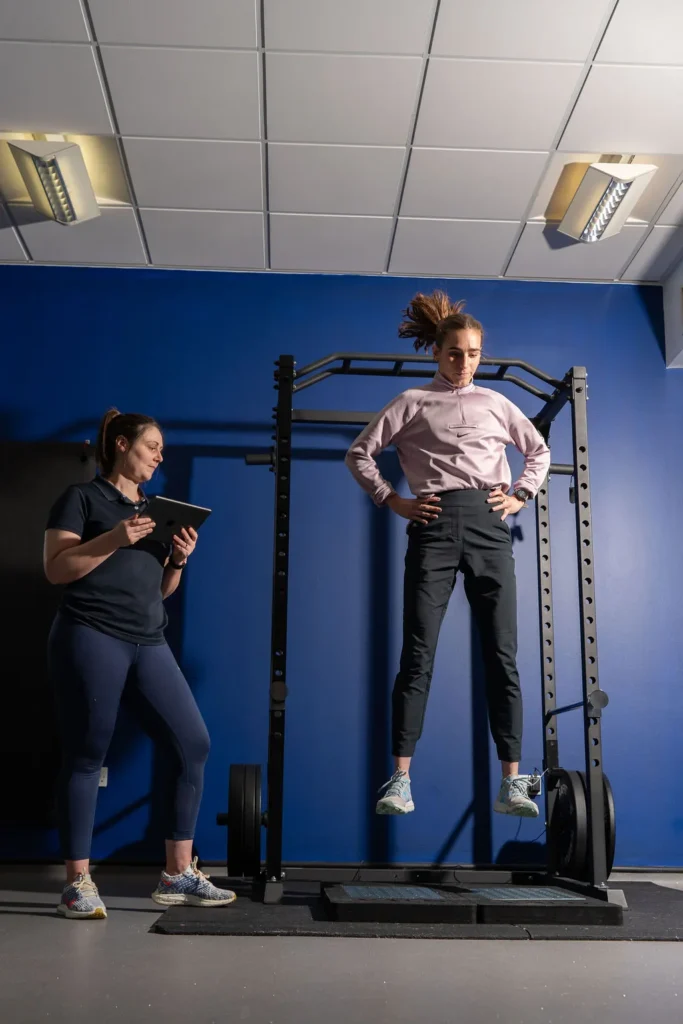
ForceDecks are force measurement platforms used to assess how your body produces and absorbs force during different movements.
Testing can provide information about jumping performance, power production, balance and left-to-right differences.
How do you know when you’re ready to return to sport?
Feeling better is an important part of recovery, but it doesn’t always mean your body is ready to cope with the demands of full training or competition.This is where objective performance testing can play an important role.
At SPEAR, we use advanced performance technology from VALD to assess physical capabilities and help identify areas that may need further development during rehabilitation.
SPEAR maintains partnerships with the SportScotland Institute of Sport, university bursary schemes and national governing bodies across multiple sports. We support people across Aberdeen and Aberdeenshire.
These relationships help keep our team connected to the wider sporting community and developments in sports science, injury management and rehabilitation.
Working alongside sporting organisations and athletes allows us to understand the demands placed on different performers and the importance of effective rehabilitation.
Our aim is to bring this knowledge and experience into the treatment we provide, whether you’re competing at a high level or simply want to return to your favourite recreational activity.
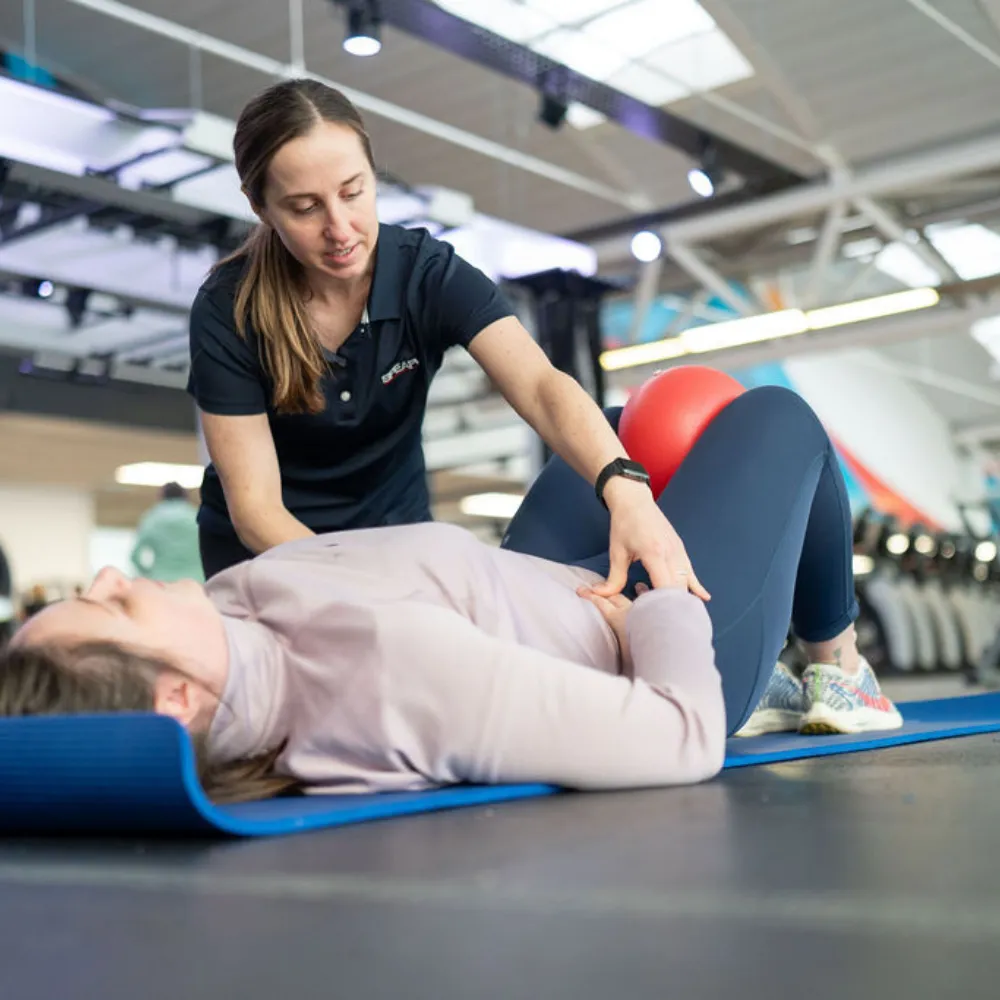
Sports physiotherapy focuses specifically on injuries and physical demands associated with sporting activities. It often involves more sport-specific rehabilitation, strength and conditioning, performance testing and return-to-sport preparation
If you’ve sustained an injury that is affecting your ability to move, train or participate in sport, an early assessment can help establish what may be causing the problem and identify appropriate next steps.
Severe injuries or suspected fractures require prompt medical assessment.
In many cases, modified training may be possible, depending on the nature and severity of your injury. Your physiotherapist can advise which activities may be appropriate and how to manage training loads while recovering.
Recovery times vary considerably depending on the type of injury, its severity, your physical condition and the demands of your sport. Your physiotherapist will help establish realistic expectations and review your progress throughout rehabilitation.
Sports physiotherapy can help identify strength differences, movement limitations and other factors that may contribute to recurring injuries. Rehabilitation and conditioning exercises can then be used to address relevant areas.
Not at all. Sports physiotherapy is suitable for anyone who participates in physical activity, whether you’re a professional athlete, amateur competitor, recreational runner or regular gym-goer.
Wear comfortable clothing that allows you to move freely. If you have previous scan results, medical reports or details of any previous treatment, these may also be useful during your assessment.
At our physiotherapy clinics, we specialise in a wide range of conditions, providing personalised rehabilitation programs designed for effective recovery. Our expertise includes:
An injury doesn’t have to mean putting your sporting goals on hold indefinitely.
Whether you’re struggling with a recent injury, experiencing recurring discomfort or looking for specialist rehabilitation to help you return to competition, SPEAR Physiotherapy is here to support you.
Our team combines sports injury expertise, individualised rehabilitation and advanced performance testing to help you work towards your goals.